Guide to Wedding Catering
So you’re searching for Wedding Catering & Menu Options. Forty percent of a wedding budget typically goes toward the food and beverage service, making it the single largest financial commitment for most couples in South Jersey. According to industry data, the average wedding in the Garden State ranges from $30,000 to $50,000, which means the stakes for a successful dinner service are incredibly high. Guests often forget the color of the napkins or the specific flowers in a bouquet, but they consistently rank the quality of the meal as their most vivid memory of the celebration. A poorly timed buffet or a cold entrée can overshadow even the most beautiful venue, while a perfectly executed menu makes every attendee feel cherished and welcomed.
Planning a large-scale event requires a methodical approach to logistics that many beginners find overwhelming at first glance. The reader will discover how to navigate various service styles, from formal plated dinners to relaxed family-style gatherings that reflect the local charm of the region. This guide explores the essential steps of menu selection, budget management, and the importance of hiring a partner who understands the unique needs of South Jersey venues. With over 30 years of experience as a family-owned operation, the team at our catering firm has seen how a solid Plan B and a dedicated day-of coordinator can save a reception from unexpected hiccups.
“The secret to a seamless wedding isn’t just the recipe on the plate; it’s the timeline behind the kitchen doors that ensures every guest eats at the same time.”
– Lead Planner, 30-Year Event Veteran
Every decision, from the choice of hors d’oeuvres to the late-night snack station, should reflect the couple’s personal style without breaking the bank. People who prioritize a guest-centered experience often find that the right caterer acts as both a chef and a logistical anchor for the entire day. By the end of this article, the reader will understand how to balance their culinary vision with the practical realities of event production. This knowledge provides the confidence needed to choose a vendor who can deliver an unforgettable celebration in any of the southern counties.
Engaged couples searching for catering tips can find further inspiration and vendor reviews through these helpful resources:
Common Questions about Wedding Catering that our Wedding Catering Resources can assist with:
How much should a couple expect to pay per person? In the South Jersey area, catering costs can vary widely depending on the menu, but most full-service packages start around $75 to $150 per guest. This usually includes staff, equipment, and food.
What is a day-of coordinator? This is a professional who manages the wedding timeline and vendors on the actual day of the event. Some caterers include this service to ensure the food service aligns perfectly with the ceremony and dancing.
When should a caterer be booked? Most experts recommend securing a catering partner at least 10 to 12 months before the wedding date, especially for popular Saturday dates in the spring and fall.
Seventy-two percent of couples now prioritize the “guest experience” over traditional décor, a shift that has transformed how food is served in venues from Cherry Hill to Cape May. While the buffet remains a staple for its variety, the layout of a reception dictates the energy of the room. A family-owned business with three decades of local history understands that the service style is the engine of the evening, moving guests between the ceremony and the dance floor with intentionality. Check out our guide to wedding catering here.
South Jersey Catering Styles Beyond the Buffet Line
The plated dinner remains the gold standard for formal South Jersey weddings, especially those held in traditional ballrooms or historic estates. This service style involves guests remaining seated while professional staff bring each course directly to the table. It provides a structured timeline that allows the couple to control the flow of speeches and special dances without the distraction of guest movement.
For a more communal atmosphere, many couples are turning to family-style service. Large platters of seasonal proteins and sides are placed in the center of each table, encouraging guests to interact as they pass dishes. This format fosters intimacy, making a large guest count of 150 feel like a close-knit Sunday dinner. It bridges the gap between the formality of a seated meal and the variety of a buffet.
Interactive and Social Dining Formats
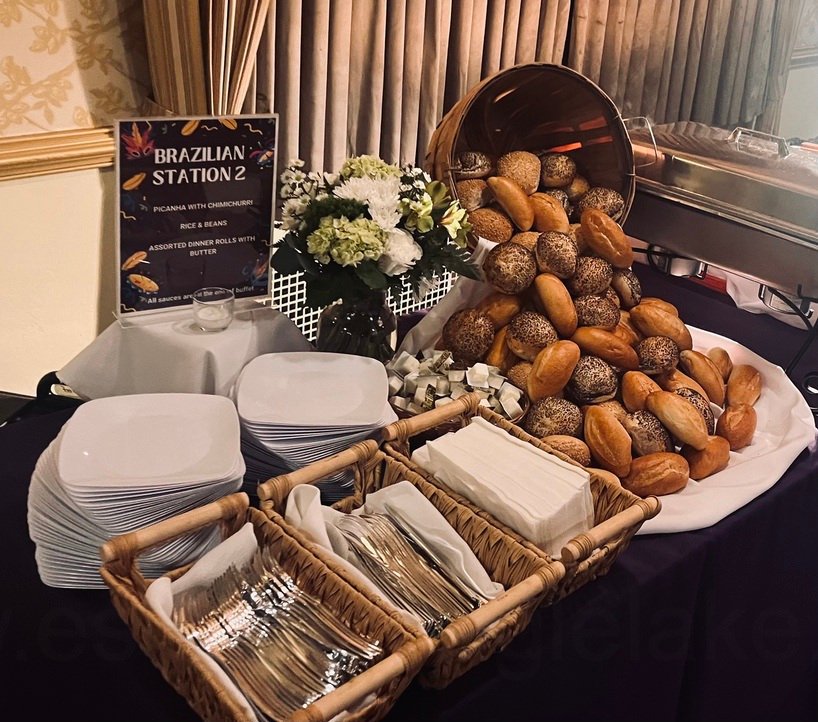
Modern receptions often break away from the table entirely. Food stations have surged in popularity because they double as entertainment. A chef-manned pasta bar or a custom taco station allows guests to customize their plates while mingling. This movement prevents the “bottleneck” effect often seen at single buffet lines and keeps the energy high throughout the room.
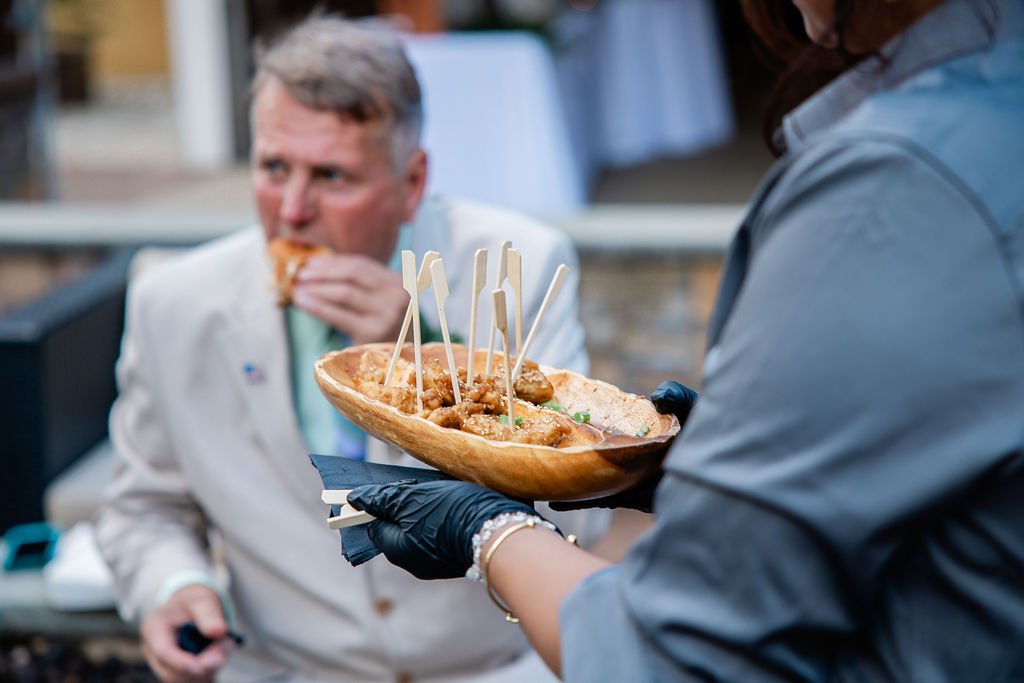
Cocktail-style receptions offer the most flexibility for non-traditional venues. Instead of a heavy sit-down meal, the evening consists of a continuous flow of high-end hors d’oeuvres and “small plates.” This is an ideal choice for couples who want their guests on their feet and socializing rather than anchored to a seating chart for two hours.
- Seated Dinner: Best for formal timelines and precise portion control.
- Family-Style: Encourages conversation and creates a “home-cooked” feel.
- Food Stations: Offers the highest variety and interactive “chef moments.”
- Cocktail Style: Maximizes floor space and encourages constant movement.
“The style of service should match the architecture of the venue. A rustic barn in Mullica Hill feels different with family-style platters than it does with a rigid five-course plated meal.”
– Lead Planner, 30-Year Event Veteran
The choice of service style often depends on the guest count, which typically averages between 120 and 150 for weddings in this region. Larger groups may benefit from the efficiency of stations, while smaller gatherings can lean into the elegance of a multi-course tasting. Regardless of the format, the success of the night relies on how these service styles showcase the specific ingredients and regional favorites that define a local palate.
For more inspiration on planning your big day, check out resources on The Knot, WeddingWire, or Zola. Selecting a service style creates the framework, but the true personality of the wedding emerges when those plates are filled with the vibrant, farm-to-table flavors unique to the Garden State.

Crafting Your Dream Menu: South Jersey Flavors & Favorites
The farm-to-table principle serves as the backbone of a truly memorable South Jersey wedding menu. While the service style establishes the rhythm of the evening, the specific ingredients on the plate define the personality of the celebration. Incorporating local staples like Jersey tomatoes, sweet corn, and blueberries allows couples to pay homage to the “Garden State” identity while providing guests with peak-season freshness that out-of-state imports simply cannot match. Use this as your Wedding Catering Resource.
Popular entrées in this region often lean toward timeless classics with a coastal influence. Chicken francaise and herb-crusted prime rib remain staple requests for their broad appeal, but many modern couples are now opting for a “Taste of South Jersey” station. This interactive setup might feature mini crab cakes made with local blue crab or short rib sliders paired with a sharp provolone, reflecting the area’s rich culinary heritage from the shore to the suburbs.
Fifteen to twenty percent of wedding guests typically have dietary restrictions, ranging from gluten sensitivities to vegan lifestyles. I once managed a wedding where the couple forgot to account for a sudden surge in nut allergies, leading to a frantic kitchen scramble that could have been avoided with better upfront communication. Planning for inclusivity is no longer an afterthought; it is a necessity that ensures every guest feels cherished rather than sidelined by a limited side-salad option.
“A menu that ignores dietary diversity is a menu that plans for a portion of your guests to go home hungry.”
– Regional Catering Director
Beverage programs are also evolving, as 60% of couples now opt for signature cocktails to personalize the bar experience. These custom drinks often utilize local spirits or seasonal fruit infusions, such as a blueberry-basil mojito or a cranberry-spiced mule. While these creative touches add flair, managing the logistics of a diverse menu alongside a custom bar program introduces a layer of complexity that requires a methodical approach to timing and vendor coordination.
Essential Menu Planning Checklist
- Confirm the availability of seasonal South Jersey produce like peaches or asparagus for your date.
- Request specific gluten-free and vegan alternatives that mirror the quality of the main entrée.
- Finalize a children’s menu that balances kid-friendly favorites with nutritional value.
- Verify the caterer’s protocol for cross-contamination to protect guests with severe allergies.
- Select a dessert strategy, such as a classic tiered cake or a diverse dessert station featuring boardwalk-inspired treats.
For more inspiration on planning your South Jersey celebration, resources like The Knot, WeddingWire, and Zola offer extensive galleries of regional menu trends. Balancing these culinary ambitions with the realities of a guest list ensures the meal remains a highlight of the day.
Budgeting for Bites: Smart Spending in South Jersey
Unexpected financial surprises often occur when a couple realizes the price on the menu is not the final number on the check. In the local market, the base per-person cost typically ranges from $75 to $150, but failing to account for the mandatory math behind the scenes can derail a wedding fund. New Jersey maintains a 6.625% sales tax, and most professional catering outfits apply a standard service charge of 18% to 22% to cover labor and overhead.
Catering expenses often consume 40% of the total wedding budget. This makes the distinction between different bar models vital for cost control. While an open bar provides a seamless experience, it can add $30 to $60 per person to the bill. For a more conservative approach, a consumption bar tracks only what is actually poured, though this remains a gamble if the guest list is particularly thirsty. I generally recommend a limited open bar-offering beer, wine, and one or two spirits-as a middle ground that keeps costs predictable without appearing restrictive.
| Expense Category | Estimated Range (Per Person) | Notes |
|---|---|---|
| Standard Catering | $75 – $150 | Includes food and basic service |
| Bar Packages | $30 – $60 | Varies by liquor tier |
| Service Fees | 18% – 22% | Added to the subtotal |
| NJ Sales Tax | 6.625% | State mandated |
Smart planners look for “hidden” line items during the contract review phase before signing any paperwork. Many venues charge a corkage fee if the couple brings their own wine, or a cake cutting fee to slice and serve a dessert provided by an outside bakery. These small fees, often $2 to $5 per guest, add up quickly when the guest count exceeds 100. Clear communication with the caterer about what is included in the “labor” portion of the quote ensures there are no disputes on the wedding morning.
To maximize every dollar, consider the timing of the celebration. An off-season wedding held between November and April can yield savings of 10% to 15% as caterers look to fill their calendars. Choosing a Friday or Sunday instead of the traditional Saturday also provides significant leverage for negotiation. Opting for interactive food stations rather than a formal, multi-course plated meal can reduce the number of servers required, further trimming the labor costs without sacrificing the quality of the meal.
Common Catering Budget Questions
What are common hidden catering fees in South Jersey?
Beyond the base price, couples should watch for linen rental fees, glassware upgrades, and “vendor meals” for the photographer and DJ. Some venues also charge a “setup and strike” fee for moving furniture or equipment between the ceremony and reception spaces.
For more inspiration on planning your big day, you can explore resources on The Knot, WeddingWire, or Zola. Selecting a partner who is transparent about these costs is the first step toward a stress-free celebration.
Finding Your Perfect South Jersey Catering Partner
By 2024, the landscape of event planning has shifted toward a heavy reliance on digital proof, with 70% of couples now citing online reviews as the primary factor in their initial vendor selection. While a beautiful gallery of photos on The Knot or WeddingWire provides a visual baseline, the vetting process requires a more methodical approach to ensure a caterer can handle the specific demands of a local venue. Most successful pairings begin by narrowing a list of potential candidates down to three to five finalists before scheduling any face-to-face meetings.
A consultation serves as the moment to look past the menu descriptions and evaluate the logistical infrastructure of the business. For instance, our family-owned operation has managed events for over 30 years across South Jersey and neighboring Pennsylvania counties, and that longevity often translates to a deep familiarity with local venue regulations. During these interviews, asking about the staff-to-guest ratio is vital; a ratio of one server per 10 to 15 guests usually ensures a smooth flow, whereas a leaner crew might lead to delays in service that disrupt the planned timeline.
Essential Vetting Questions
Before committing to a contract, every couple should verify the caterer’s professional credentials and operational capacity. This involves more than just liking the food; it is about protecting the investment through due diligence. The following checklist outlines the non-negotiable points of discussion for an initial meeting:
- Does the caterer hold valid health department permits and comprehensive liability insurance for the specific county?
- How many years of experience does the team have specifically with outdoor or “blank slate” venues in South Jersey?
- Will there be a dedicated lead coordinator on-site for the duration of the event?
- Can the caterer provide a list of three recent references from couples who hosted similar-sized weddings?
- Are they comfortable working with the specific kitchen facilities or lack thereof at the chosen venue?
Tasting sessions are the ultimate litmus test. While some companies offer group showcases, a private tasting allows for a focused assessment of seasoning, temperature, and presentation standards. It is the only time a couple can provide direct feedback on the flavor profile of a dish before it is replicated for a hundred people. If a caterer seems resistant to minor adjustments during this stage, it may be a red flag regarding their flexibility on the wedding day itself.
Finalizing the Agreement
The transition from a handshake to a signed document requires a sharp eye for detail. A catering contract is not just a receipt; it is a roadmap for the entire reception. It must explicitly include the final guest count deadline, a detailed breakdown of all equipment rentals, and a clear cancellation policy. Confirming that the contract lists the exact number of staff members and their arrival times prevents confusion when the setup begins and the first vendors arrive on-site.
“A contract without a specific ‘force majeure’ clause or a clear breakdown of labor hours leaves a couple vulnerable to last-minute disputes.”
– Lead Event Planner, 30-Year Industry Veteran
What should a catering contract explicitly include?
A comprehensive contract must list the full menu, the specific bar package chosen, all inclusive fees, and the timeline for setup and breakdown. It should also detail the “Plan B” for inclement weather if the event is outdoors. For more information on vendor standards, couples often consult resources like The Knot, WeddingWire, or Zola.
Once the partner is chosen and the paperwork is finalized, the focus shifts from “who” will provide the meal to “how” the entire day will function. Every detail in the contract serves as a building block for the complex choreography of the wedding day, where timing and behind-the-scenes management become the next priority for a seamless celebration.
Seamless South Jersey Wedding Day Coordination – Wedding Catering Resource
Eighty-five percent of wedding day logistical failures occur because of a breakdown in communication between the kitchen and the floor staff during the transition from cocktail hour to the main meal. While the menu has been finalized and the tastings are a memory, the actual execution requires a level of military precision that most people underestimate. A typical reception in the region spans four to six hours, a window that demands every course hits the table at the exact minute the itinerary dictates to avoid cold proteins or restless guests.
The timeline serves as the heartbeat of the event, and it must be developed in lockstep with the catering team. This document goes far beyond a simple list of “dinner at seven.” It details when the florist needs to have centerpieces cleared for bread service and when the DJ should announce the first dance to ensure the kitchen isn’t holding 150 plated entrees under heat lamps. Professional caterers generally require the final guest count 7 to 14 days before the event, and this number is the catalyst for ordering fresh local ingredients and scheduling the appropriate labor force.
“A caterer who doubles as a day-of coordinator is the ultimate insurance policy. They don’t just manage the food; they manage the room’s energy and the complex choreography between the venue, the photographer, and the couple.”
– Senior Event Director, Tri-State Weddings
Managing the seating chart and last-minute guest changes often falls to the catering lead during the final hour of setup. If an unexpected guest arrives or a cousin brings a plus-one without notice, the team must adapt without alerting the couple. This flexibility is especially vital for outdoor celebrations at South Jersey wineries or estates, where weather contingencies must be baked into the plan. A sudden rain shower requires a team that can relocate a full buffet or bar setup into a secondary tent in under fifteen minutes.
Common Coordination Questions
How does a caterer coordinate with my venue? The caterer acts as the primary liaison for the venue’s back-of-house operations. They coordinate load-in times with the dock manager, ensure the electrical capacity can handle their ovens, and work with the venue staff to confirm the floor plan meets fire codes while allowing servers to move efficiently between tables. This partnership is what prevents “traffic jams” on the dance floor during dessert service.
For more resources on planning your big day, check out the planning tools at The Knot, browse local vendor reviews on WeddingWire, or manage your registry and guest list at Zola. Having a caterer who provides day-of coordination services as part of their package is a significant advantage, as it eliminates the “middleman” and ensures the person in charge of the timeline is the same person in charge of the staff.
Success on the wedding day is rarely about the food itself and almost always about the logistical infrastructure supporting it. When the kitchen staff knows exactly when the speeches end, they can fire the main course so it arrives at the table at the peak of its quality. This level of synchronization is the difference between a meal that is merely eaten and a dining experience that becomes a highlight of the celebration. Allow us to guide you and be the Guide to Wedding Catering
Conclusion
The success of a South Jersey wedding often rests on the plate, as food serves as the universal language of hospitality and celebration. Selecting a caterer involves more than just picking a favorite dish; it requires a strategic partnership that balances flavor, logistics, and financial boundaries. According to data from The Knot, the average couple spends approximately 23% of their total budget on catering, making it the largest single investment for most celebrations. By focusing on seasonal ingredients and diverse service styles, the reader can ensure that every guest feels cared for from the first appetizer to the final slice of cake.
“A wedding menu should tell the story of the couple while respecting the needs of their guests, transforming a standard meal into a shared experience that lingers long after the music stops.”
– Lead Event Planner, 30-Year South Jersey Catering Expert
Key takeaways for a successful celebration:
- Secure a catering partner 9 to 12 months in advance to ensure availability for popular South Jersey dates.
- Prioritize popular local menu choices like boardwalk-inspired sliders or farm-to-table seasonal vegetables to ground the event in local culture.
- Implement a clear Plan B for outdoor venues, such as those in Cape May or rural Burlington County, to account for sudden coastal weather shifts.
- Balance the budget by choosing a “twist” on traditional service, such as a day-of coordinator included with the catering package to handle timing and flow.
Thoughtful decisions regarding dietary restrictions and service speed prevent common wedding day hiccups. Research shows that 75% of guests remember the food quality more than any other reception detail. When the menu reflects the couple’s personality, the wedding becomes an authentic reflection of their new life together.
Common Questions and Answers
How much food is needed for a cocktail hour? Most experts suggest serving six to eight pieces per person to keep guests satisfied without spoiling their appetite for the main course. We can be your Guide to Wedding Catering!
Are food stations more expensive than plated meals? Stations often require more staff and equipment, which can increase costs even if the food portions remain the same.
The next step for the reader is to finalize a guest count and schedule a tasting with a family-owned caterer like those serving the South Jersey area for over three decades. For further planning resources, the reader may explore these external guides:
A well-fed guest is a happy guest.
Contact use to day to get expert advice!